The Best Time to Start Your Landscaping Milton, MA Project for Maximum Results
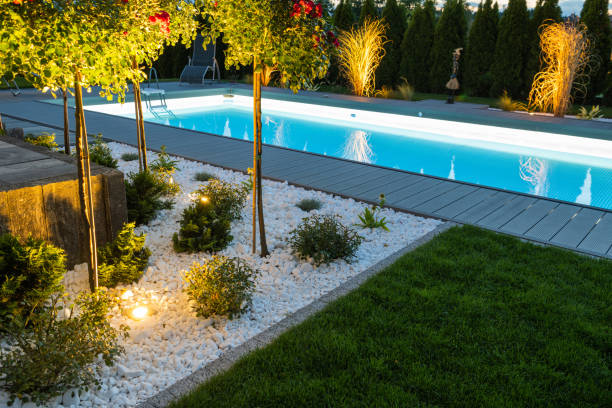
Timing plays a critical role in the success of any landscaping project. Starting your landscaping project at the right time not only ensures optimal plant growth but also allows you to achieve maximum aesthetic appeal and functionality in your outdoor space. Let’s explore how understanding seasonal considerations and planning accordingly can make all the difference.
Factors to Determine the Best Time
- Climate: Local weather patterns determine when plants can thrive. For instance, regions with harsh winters may favor spring as an ideal start time, while milder climates allow for more flexibility.
- Planting Seasons: Different plants have specific growing seasons. Trees and shrubs often fare better if planted during cooler months, while perennials might benefit from early spring planting.
- Project Scope: The complexity of your design affects timing. Hardscaping (e.g., patios, pathways) takes longer and may require advanced scheduling versus simple garden planting projects.
- Budget Planning: Starting early in the year may give you access to seasonal discounts on materials or labor before peak demand hits during summer months.
Seasonal Breakdown for Landscaping
| Season | Ideal Activities | Pros | Cons |
| Spring | Planting trees, shrubs, flowers; soil prep | Optimal for growth; moderate weather | Busy season for landscapers |
| Summer | Maintenance & hardscaping projects | Long daylight hours; dry weather | Heat stress on new plants |
| Fall | Planting bulbs, mulching | Cooler temps; fewer pests | Limited bloom until spring |
| Winter | Hardscaping prep; tree pruning | Easier scheduling with contractors | Frozen ground in colder regions |
Benefits of Starting Early
Starting your landscaping project early has distinct advantages: – Better Plant Establishment: By starting in spring or fall, plants have time to develop strong root systems before harsh summer or winter conditions. – Cost Efficiency: Many nurseries and suppliers offer competitive prices at off-peak times. – Contractor Availability: Booking landscapers early ensures their availability before they’re fully booked during busier months. – Time for Adjustments: When starting early, unexpected delays—like supply shortages or adverse weather—are less likely to derail completion timelines.
Tips for Choosing the Right Start Time
To maximize results from your effort:
1. Consult professional landscapers who know local climate conditions and can provide tailored recommendations. 2. Research which plants thrive best in your region based on seasonality. 3. Align personal goals with nature’s rhythm—focus on designs that are functional year-round yet peak during desired seasons (e.g., summer blooms).
4. Consider sustainability by incorporating native plants that naturally adapt to local environments.
Proper planning ensures that each step of your landscaping journey aligns with nature’s cycles, giving you an outdoor space that thrives year after year without unnecessary stress or expense.
Mastering the Art of Proper Timing for Milton, MA Landscapes
Proper timing is key to the success of any landscaping project. Whether you’re looking to refresh your garden, install new hardscaping elements, or completely transform your outdoor space, understanding how timing affects various aspects of landscaping can make a significant difference in the outcome. Let’s explore why timing matters and how you can plan your project effectively.
Why Timing is Crucial in Landscaping
- Seasonal Growth Cycles
Plants and trees thrive during specific times of the year. Planting during their optimal growth season ensures stronger roots, better blooms, and healthier greenery. For example: - Spring is ideal for planting flowering shrubs and perennials as they benefit from mild weather and consistent rainfall.
- Fall is excellent for planting trees and grasses because cooler temperatures encourage root growth without stressing the plant.
- Weather Conditions
Extreme weather conditions can hinder landscaping progress: - Summer heat can make it difficult for new plants to establish roots, while winter frost can damage freshly planted vegetation.
- Moderate temperatures in spring and fall are more favorable for handling soil amendments, grading, or installing irrigation systems.
- Soil Preparation
Soil quality plays a major role in the success of a landscaping project. Certain seasons allow for easier preparation: - Wet soil after winter melts may delay groundwork due to compaction issues.
- Dry periods allow more flexibility for excavation or adjustments to topography.
Key Factors in Timing Your Landscaping Project
| Factor | Optimal Time Period | Why It Matters |
| Lawn Seeding | Early Spring or Early Fall | Offers ideal growing conditions |
| Tree and Shrub Planting | Late Fall or Early Spring | Promotes root establishment |
| Hardscaping Installation | Summer or Early Fall | Dry weather aids construction |
| Annual Flower Planting | After Last Frost (Spring) | Prevents frost damage |
Benefits of Strategic Planning
- Cost Efficiency: Materials such as plants, mulch, and stones are often more affordable during off-peak seasons when demand is low.
- Avoid Seasonal Delays: Booking landscapers early ensures availability while avoiding peak-season backlogs.
- Immediate Enjoyment: Completing projects ahead of desirable seasons means you can enjoy your outdoor space sooner—whether it’s spring blossoms or summer gatherings on your patio.
Steps to Align Your Project with Proper Timing
- Assess Your Goals: Determine if your focus is on aesthetics (plants) or functionality (hardscaping). This will dictate when you should begin the process.
- Work with Experts: Professional landscapers possess knowledge about regional climates and soil conditions that impact project timelines.
- Plan Ahead: Start discussions with contractors months ahead—this allows ample time for design revisions, site inspections, permit approvals (if needed), budget planning, and procurement.
By carefully considering timing at each stage of your landscaping journey—from preparation to execution—you maximize results while creating an outdoor space that thrives year-round.
Understanding the Milton, MA Landscape Design Timeline for a Successful Outcome
A well-planned landscaping project requires careful consideration of the timeline to ensure everything is executed smoothly and efficiently. Breaking down the landscape design timeline into clear steps can help homeowners and professionals achieve a successful outcome. Here’s an overview of how to approach your landscaping project and what to consider during each phase.
Initial Planning and Goal Setting with Landscapers Milton, MA
- Assessing your outdoor space: Evaluate the size, soil quality, sunlight exposure, and existing features of your property.
- Establishing objectives: Determine whether you want a functional outdoor area (e.g., patio, walkway) or an aesthetic garden with plants, flowers, or water features.
- Budget planning: Outline how much you are willing to invest in materials, labor, and additional elements like lighting or irrigation systems.
This stage typically takes 2–4 weeks depending on the scope of the project.
Design Development for Landscape Design Milton, MA
- Conceptual designs: Draft initial sketches that outline hardscaping (e.g., patios, retaining walls) and softscaping (e.g., plants, trees).
- Material selection: Choose materials such as stone, wood, or composite for structural elements.
- Cost estimation: Develop a detailed estimate that aligns with your budget.
This stage can take anywhere from 3–6 weeks depending on revisions to the design.
Pre-Construction Preparations with a Trusted Landscaper in Milton, MA
| Task | Description |
| Permits & Approvals | Obtain any necessary permits required by local authorities for construction. |
| Site Preparation | Clear debris, remove unwanted vegetation, or level uneven terrain. |
| Ordering Materials | Procure all materials needed for hardscape and softscape installation. |
This part of the process usually lasts 2–3 weeks.
Installation Phase by Trusted Landscaping Companies in Milton, MA
- Construct patios, walkways, driveways.
- Install retaining walls or other structural elements.
- Plant trees, shrubs, flowers based on the design plan.
- Lay down sod or install an irrigation system if necessary.
Depending on project size and complexity, this phase might take 4–8 weeks.
5. Final Touches & Maintenance Planning
- Install lighting fixtures to enhance nighttime aesthetics.
- Apply mulch around plants to retain moisture.
- Schedule regular maintenance such as pruning or fertilizing.
This final step ensures that your outdoor space remains functional and visually appealing throughout its lifecycle.
The Importance of Timeline in Milton, MA Landscape Design
Adhering to a well-defined timeline ensures: – Proper seasonal alignment for plant growth (e.g., planting in spring). – Avoidance of delays caused by weather conditions. – Cost efficiency by reducing last-minute changes or logistical issues.
Understanding these stages will help you achieve a beautifully designed landscape tailored to your preferences while minimizing stress throughout the process.
Transform Your Outdoor Space This Summer with Milton, MA Landscaping
A well-planned landscaping project can transform your outdoor space into the perfect summer retreat. However, achieving this goal requires thoughtful planning and timing to ensure every element aligns with the summer season. Below, we’ll explore how you can effectively plan your landscaping project to enjoy your outdoor space just in time for summer.
Start Early for Maximum Impact
- Avoiding Seasonal Delays: Spring is often a busy season for landscapers. By starting early, you avoid potential delays caused by high demand.
- Optimal Planting Season: Spring is ideal for planting trees, shrubs, and flowers as it gives them time to establish roots before the heat of summer.
- Time for Modifications: Early planning provides ample time to refine designs or make adjustments without rushing.
Steps to Plan Your Summer-Ready Landscape
- Identify how you intend to use your outdoor space (e.g., entertaining guests, relaxation, gardening).
- Consider elements like shade structures, seating areas, fire pits, or play zones.
- Determine how much you’re willing to invest in the project.
- Allocate funds for different components such as hardscaping (patios/walkways), softscaping (plants/grass), and outdoor furniture.
- Schedule consultations with professional landscapers ahead of time.
- Discuss design ideas and timelines while ensuring they align with your vision.
- Select low-maintenance plants that thrive in your region’s climate during summertime.
- Incorporate native species or drought-tolerant plants for sustainability.
- Add practical elements like irrigation systems or lighting to enhance usability throughout summer evenings.
Key Considerations When Planning for Summer Use
| Aspect | Recommendations |
| Shade | Install pergolas or plant fast-growing trees for natural shade coverage. |
| Water Features | Add fountains or small ponds to create a cooling effect during hot days. |
| Outdoor Kitchens | Include grills or kitchen spaces if hosting outdoor meals is part of your plans. |
| Heat-Resistant Materials | Use durable materials like stone or concrete that withstand high temperatures. |
Benefits of Planning Specifically for Summer
- Enhanced comfort through shaded areas and cooling elements.
- Improved functionality with spaces tailored for gatherings or relaxation.
- Increased property value by showcasing an attractive outdoor setup during peak real estate months.
By dedicating time and resources now toward thoughtful planning and execution, you can ensure that your landscape becomes a beautiful retreat ready just in time for those warm summer days spent outdoors with family and friends.
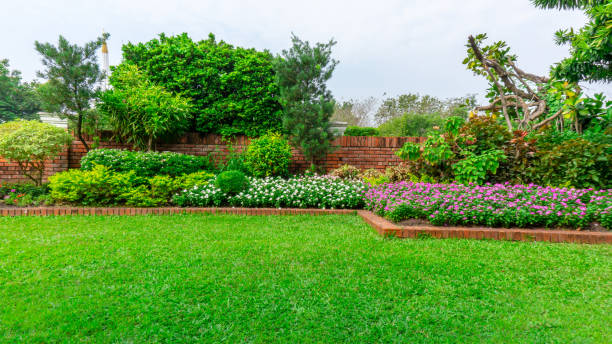
How to Prepare for Your Winter Landscaping Project Effectively
Winter landscaping projects are a fantastic way to set the stage for a thriving outdoor space in the spring. By preparing ahead of time, you can address challenges unique to colder months while ensuring your landscape remains both functional and visually appealing year-round. Here are some steps and considerations to help homeowners prepare for winter landscaping effectively.
Assess Your Current Landscape
Before diving into any new project, take stock of your current outdoor space:
– Identify problem areas: Are there spots prone to flooding after snow melts? Do certain plants struggle during winter?
– Evaluate existing features: Check the condition of patios, pathways, retaining walls, and other hardscape structures for damage caused by previous winters.
A detailed assessment helps pinpoint what needs attention and provides a foundation for planning improvements.
Prioritize Winter-Appropriate Landscaping Projects
Certain landscaping tasks are more suitable for the colder months. Focus on projects that can be completed efficiently in winter while supporting long-term goals. Examples include:
– Tree Trimming and Removal: Winter is an ideal time for pruning trees since they are dormant, making it easier to spot damaged or overgrown branches.
– Hardscaping Installation: Elements like stone pathways, fire pits, or pergolas can often be installed during the off-season when demand is lower and contractors have more availability.
– Soil Preparation: Amending soil with compost or mulch during winter helps improve its quality by the time planting season arrives.
Plan Cold-Hardy Planting Strategies
If planting during winter is part of your plan, select species that thrive in colder climates. Some options include evergreen shrubs like boxwood or juniper and perennials such as hellebores or ornamental grasses that add texture even in snowy conditions.
To protect vulnerable plants from harsh weather: – Use burlap wraps around shrubs. – Apply mulch generously around roots to insulate against freezing temperatures. – Avoid excessive watering to prevent ice forming at plant bases.
Tools & Materials Checklist
| Category | Tools/Materials Needed |
| Soil Preparation | Mulch, compost, rakes |
| Hardscaping | Pavers, gravel, compactor |
| Plant Protection | Burlap wraps, frost blankets |
| General Maintenance | Pruning shears, shovels, deicer (plant-safe) |
Organize these items beforehand so you’re ready when conditions allow work to begin.
Consult Professionals if Needed
Winter landscaping often requires expertise with frost-resistant materials or knowledge about plant hardiness zones. Reaching out to professional landscapers ensures your project is executed safely and effectively without risking costly mistakes.
Advantages of Winter Landscaping Preparations
Starting your project in winter offers several benefits: – Beat the Rush: Landscapers’ schedules tend to fill up quickly in spring. Booking during slower months gives you access to skilled professionals on flexible timelines. – Cost Savings: Off-season discounts may be available on labor costs or materials. – Early Results: By tackling groundwork now—like soil preparation—you’ll enjoy faster results once warmer weather arrives.
By preparing thoughtfully for winter landscaping tasks, homeowners can make significant strides toward creating a functional and aesthetically pleasing outdoor environment well ahead of peak seasons.
Seasonal Considerations Every Homeowner Should Know When Landscaping
Landscaping is not just about enhancing the aesthetic appeal of your property; it is also about working with nature’s cycles to achieve the best outcomes. Each season presents unique opportunities and challenges for landscaping projects. Understanding these seasonal considerations can help homeowners maximize the results of their efforts while avoiding costly mistakes.
Spring: The Season of Growth and Renewal
Spring is often considered the ideal time to jumpstart a landscaping project. As temperatures rise and plants emerge from dormancy, there are plenty of opportunities for growth and fresh beginnings.
- Planting new shrubs, trees, or perennials.
- Aerating and fertilizing your lawn to encourage healthy grass growth.
- Designing garden beds with vibrant flowers for summer blooms.
- Late frosts can sometimes damage tender plants.
- Rainy conditions may cause delays in hardscaping installations.
Summer: Focus on Maintenance and Enjoyment
Summer is when your outdoor space becomes a central hub for relaxation and entertainment. By this time, major landscaping elements should already be in place so you can focus on maintenance.
- Regular watering to prevent heat stress on plants.
- Pruning overgrown trees or shrubs to maintain clean lines.
- Adding mulch to retain soil moisture during hot days.
- High heat can make planting risky, especially for young or sensitive plants.
- Managing pests that thrive in warm weather requires vigilance.
Fall: The Perfect Time for Preparation
Fall is a strategic time for landscaping as the cooler temperatures create optimal conditions for planting and preparing your outdoor space for winter.
- Planting cool-season grasses or late-blooming flowers like mums.
- Installing hardscape features such as patios or walkways due to mild weather conditions.
- Raking leaves and applying fertilizer to enrich the soil before it freezes.
- Shorter daylight hours may limit project timelines.
- Some plant varieties may not establish roots fully before winter arrives.
Winter: Planning Ahead Pays Off
While many assume that landscaping comes to a halt during winter, this season offers unique opportunities for planning ahead or tackling specific projects.
- Perform structural work like building retaining walls or fences when the ground isn’t frozen solid.
- Prune dormant trees and shrubs as needed without risking damage to active growth.
- Use this downtime to consult professionals for future design plans or gather necessary materials at discounted off-season prices.
| Season | Best Activities | Key Challenges |
| Spring | Planting new vegetation, lawn care | Late frosts, excessive rain |
| Summer | Maintenance (watering, pruning), mulching | Heat stress on plants, pest control issues |
| Fall | Hardscaping projects, planting cool-weather flora | Limited daylight hours |
| Winter | Structural work, pruning dormant trees | Frozen ground in colder climates |
By considering these seasonal factors when planning your landscaping project, you can ensure that every effort aligns with nature’s timeline. Strategic planning allows homeowners not only to optimize their landscape’s health but also enjoy its beauty year-round.
Experience a Personal Touch in Transforming Your Outdoor Space with Expert Landscapers
Customized Design for Every Lifestyle
Every homeowner has different goals for their outdoor space. Professional landscapers work closely with you to understand your lifestyle and design preferences. Whether you want a relaxing backyard retreat, an entertainment hub, or a low-maintenance garden, they create solutions that align with your vision.
Key elements that are typically customized include: – Hardscaping Features: Patios, walkways, retaining walls, and decks designed to fit seamlessly into the landscape. – Plant Selection: Choosing plants suited for the climate while matching the aesthetic you desire. – Irrigation Systems: Efficient watering systems tailored to the specific needs of your yard. – Lighting Solutions: Outdoor lighting to enhance safety and ambiance after sunset.
Expertise in Balancing Aesthetics and Functionality
One of the greatest benefits of hiring expert landscapers is their ability to balance beauty with practicality. They consider factors such as: – Drainage and soil conditions – Sunlight patterns across the property – Accessibility and ease of maintenance – Sustainability through eco-friendly practices
By integrating these considerations into their designs, professionals ensure long-lasting results that not only look stunning but also function smoothly year-round.
Collaboration Throughout the Process
A personal touch often stems from clear communication. Reputable landscaping companies emphasize collaboration every step of the way: 1. Initial Consultation: Discussing ideas, setting expectations, and assessing the site. 2. Design Phase: Creating detailed blueprints or 3D renderings for better visualization. 3. Implementation: Keeping homeowners informed during installation or construction. 4. Post-completion Support: Offering maintenance tips or follow-up services for long-term upkeep.
This collaborative process ensures that every detail reflects your personal taste while staying practical.
Long-term Value Through Expert Craftsmanship
Investing in professional landscaping goes beyond aesthetics; it adds tangible value to your property by enhancing curb appeal and usability. A well-designed outdoor space can increase home value by up to 15% according to industry studies.
Here’s how expert craftsmanship contributes to long-term value: | Feature | Benefit | |—————————|—————————————| | Quality Materials | Durable structures withstand weather | | Sustainable Practices | Low-maintenance landscapes save costs| | Smart Plant Placement | Prevents overgrowth or overcrowding | | Efficient Irrigation | Reduces water waste |
The Human Element of Landscaping Expertise
Landscaping isn’t just about plants and stone; it’s about creating spaces where people can connect with nature and each other. Experienced landscapers bring passion for their craft into every project they undertake — combining technical skills with an understanding of what makes spaces truly special.
By partnering with professionals who prioritize personalized service, homeowners can look forward to an outdoor area that feels uniquely theirs while meeting all practical requirements effectively.
Experience a Personal Touch in Transforming Your Outdoor Space with Expert Landscapers
Creating an outdoor space that reflects your personal style and functional needs requires more than just planting trees or adding hardscaping elements. It’s about crafting a unique environment that enhances your lifestyle while boosting the aesthetic appeal of your property. Partnering with expert landscapers ensures you not only achieve your vision but also experience unmatched attention to detail and creativity.
Why Choose Expert Landscapers?
- Tailored Designs: Professionals take into account your preferences, property layout, and environmental conditions to create a landscape design that’s entirely customized.
- Sustainable Practices: They incorporate sustainable methods such as water-efficient irrigation systems, native plants, and eco-friendly materials.
- Efficient Execution: With the right tools, resources, and team coordination, expert landscapers complete projects within expected timelines without compromising quality.
The Transformative Process
- Discuss your vision for the space.
- Review existing property elements and identify constraints.
- Talk about budget considerations and timelines.
- Creation of detailed site plans or 3D renderings for visualization.
- Selection of plants, materials, and other features tailored to your goals.
- Presentation of cost estimates for approval.
- Site preparation including grading or clearing terrain if necessary.
- Installation of hardscapes like patios, walkways, or retaining walls.
- Planting trees, shrubs, flowers, or ground covers based on design specifications.
- Addition of finishing touches like mulching or decorative planters.
- Advice on maintaining the landscape for long-term results.
Benefits of Partnering with Landscaping Experts
| Benefit | Description |
| Increased Property Value | A well-designed landscape significantly boosts curb appeal and resale value. |
| Time-Saving | Avoid DIY mistakes by letting experts handle complex tasks efficiently. |
| Access to Resources | Professionals provide access to high-quality materials at competitive rates. |
Adding Personal Touches That Matter
One key advantage of working with seasoned landscapers is their ability to incorporate personal touches into designs seamlessly. Whether it’s creating a cozy outdoor seating area for family gatherings or incorporating specific plants you love into the garden beds, they ensure every detail feels meaningful to you.
Additionally: – They can install customized water features such as fountains or ponds that align with your aesthetic preferences. – Lighting solutions can be integrated to highlight unique aspects while extending usability into evening hours. – Functional additions like fire pits or pergolas enhance both style and practicality.
Final Thoughts
Transforming an outdoor space isn’t merely about aesthetics—it’s about creating an environment where you can relax, entertain guests comfortably, or connect with nature in meaningful ways. By choosing expert landscapers who prioritize personalized service alongside professional expertise, you’ll achieve an outdoor space that truly feels like home—and one that thrives for years under their thoughtful planning and execution strategies.
- Essential Lawn Care Tips for Perfecting Your Milton, MA Landscape
- The Best Time to Start Your Landscaping Milton, MA Project for Maximum Results
- Seasonal Lawn Care Tips and Calendar for Milton, MA Landscape
- Creating Stunning Milton, MA Landscapes with a Thoughtful Landscaping Timeline
- Enhancing the Ecosystem with Native Landscaping in Milton, MA
- Essential Tips for Beginners to Achieve the Perfect Lawn in Milton, MA Landscape
Seasonal Lawn Care Tips and Calendar for Milton, MA Landscape
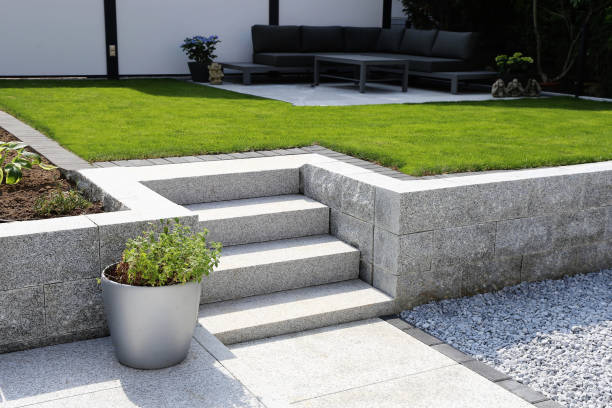
A well-maintained lawn requires consistent care throughout the year. By understanding seasonal changes and adapting your lawn care practices accordingly, you can ensure a healthy and vibrant landscape. Below is a detailed calendar and essential tips for maintaining your yard in every season.
Spring Tips from Top Landscaping Companies in Milton, MA
Spring is the season of rejuvenation, making it the ideal time to prepare your lawn for active growth.
Key Tasks: – Aeration: Loosen compacted soil by aerating to improve water, air, and nutrient absorption. – Dethatching: Remove excess thatch (dead grass layer) to promote healthier root development. – Fertilization: Apply a balanced fertilizer with nitrogen to encourage robust growth. – Seeding: Overseed bare patches or areas with thinning grass. – Weed Control: Use pre-emergent herbicides to prevent weeds like crabgrass before they sprout.
| Task | Recommended Timing |
| Aeration | Early spring |
| Fertilization | Mid to late spring |
| Dethatching | Early spring |
Tips for Expert Lawn Care in Milton, MA
The summer months bring heat stress and increased water demand. Protect your lawn from harsh conditions by adjusting your care routine.
Key Tips: – Watering: Deeply water in the early morning, aiming for about 1–1.5 inches per week. Avoid frequent shallow watering. – Mowing Height: Keep grass longer (around 3–4 inches) to retain moisture and shade roots. – Pest Management: Check regularly for signs of grubs or other pests that thrive in summer heat. – Avoid Over-Fertilizing: Excessive fertilizing during hot weather can cause stress or damage.
Additional Advice: Consider mulching clippings while mowing, as they naturally decompose and return nutrients to the soil.
Preparing Your Yard for Fall with Milton, MA Landscape Design
As temperatures cool, fall provides an opportunity to prepare your lawn for winter dormancy while enriching it with vital nutrients.
Key Tasks: – Fertilization: Use a high-potassium fertilizer designed for fall application to strengthen roots. – Leaf Removal: Rake or mulch fallen leaves regularly to prevent suffocation of grass blades. – Seeding & Overseeding: Plant cool-season grasses or reseed thin areas before frost sets in. – Aeration (if needed): Open compacted soil again during fall if necessary.
| Task | Best Timing |
| Fertilization | Early-to-mid fall |
| Seeding | Late summer/early fall |
Winter Landscaping Tips for Protecting Dormant Plants in Milton, MA
Although grass remains dormant during winter, certain protective measures ensure it survives cold conditions unscathed.
Winter Care Strategies: 1. Avoid heavy foot traffic on frozen lawns, as it can damage dormant turfgrass. 2. Clear snow strategically—don’t pile heavy snow onto grassy areas unnecessarily. 3. Inspect tools like mowers so they are ready when spring arrives. Sharpen blades if needed.
Pro Tip: Apply a light layer of organic compost in late fall or early winter as insulation against temperature fluctuations.
By tailoring your approach according to seasonal variations, you can maintain a lush, resilient lawn year-round. Understanding each period’s demands allows you not only to address issues proactively but also build an outdoor space that enhances both curb appeal and environmental health.
Best Times to Schedule Landscaping Milton, MA Services for a Healthy Yard
Maintaining a healthy, vibrant lawn requires timely care and attention throughout the year. Understanding when to schedule lawn services can play a crucial role in ensuring your yard thrives in every season. With proper scheduling, you can address seasonal priorities like fertilization, aeration, weed control, and mowing. Below is a guide to help you determine when to book professional lawn services for optimal results.
Spring: Preparing the Lawn for Growth
Spring is one of the most critical times for lawn care as it sets the foundation for healthy growth during the warmer months.
Key services to consider:
– Aeration: Relieve soil compaction from winter freeze-thaw cycles to improve root penetration.
– Fertilization: Apply a nitrogen-rich fertilizer at the beginning of spring to jumpstart grass growth.
– Weed Control: Use pre-emergent herbicides early in spring to prevent weeds like crabgrass from germinating.
– Seeding: Address bare or thin areas by overseeding early in the season when soil temperatures are conducive to germination.
Timing Tip: Schedule these treatments mid-to-late spring once ground temperatures rise consistently above 50°F.
Summer: Keeping Your Lawn Hydrated and Healthy
The summer months bring heat stress, pests, and potential drought conditions that can impact yard health.
Key services to consider:
– Irrigation System Services: Ensure sprinklers are functioning properly so your lawn gets even watering during hot spells.
– Pest Management: Treat common summer lawn pests such as grubs that can damage both turf and plant roots.
– Mowing Adjustments: Keep grass at a height of around 3 inches to encourage deeper roots and reduce stress from heat exposure.
Timing Tip: Schedule pest control treatments early in summer before infestations grow severe.
Fall: Repairing Damage and Preparing for Dormancy
Fall is ideal for repairing summer damage while also preparing your lawn for winter dormancy.
Key services to consider: – Aeration & Overseeding: Improve soil porosity while introducing new seed varieties that enhance turf density. – Fertilization: Apply slow-release fertilizers rich in potassium near late fall; this helps strengthen root systems ahead of colder months. – Leaf Cleanup: Minimize fungal issues by removing debris like fallen leaves that trap moisture on your grass.
Timing Tip: Early-to-mid autumn offers ideal temperatures for seeding and fertilizing cool-season grasses.
Winter: Protecting Your Lawn’s Integrity
While lawns remain dormant during winter, strategic prep work ensures better results come springtime.
Key considerations: – Avoid excessive foot traffic on frozen turf as it may damage dormant grass. – Inspect landscaping tools and irrigation systems to prepare them for next year’s use. – Consider dormant-season treatments such as lime applications if soil pH adjustments are needed.
Timing Tip: Late fall or early winter is an excellent time for those final maintenance tasks before snow arrives.
| Season | Key Services | Timing Tips |
| Spring | Aeration, fertilization, weed control | Mid-to-late spring (temp > 50°F) |
| Summer | Irrigation checks, pest management | Early summer (before infestations peak) |
| Fall | Aeration, overseeding, leaf cleanup | Mid-fall (cooler temps encourage growth) |
| Winter | Soil pH testing, tool inspections | Late fall/early winter |
By aligning your scheduling with each season’s specific needs, you create a care routine tailored not only for aesthetic appeal but also long-term yard health.
Best Times to Schedule Lawn Services for Beautiful Milton, MA Landscapes
Proper lawn care requires strategic planning and timely actions. Knowing when to schedule specific lawn services can significantly impact the health and appearance of your yard. Below is a guide detailing the best times to perform key lawn care tasks.
Seasonal Lawn Care Schedule
| Season | Key Lawn Services | Benefits |
| Spring | Aeration, fertilization, overseeding | Improves soil health, boosts growth, fills in bare spots |
| Summer | Regular mowing, watering, pest control | Promotes even growth and prevents damage caused by drought or pests |
| Fall | Leaf removal, dethatching, fertilization | Prepares grass for winter dormancy and strengthens roots |
| Winter | Snow management (if applicable), equipment care | Protects your yard from snow damage and ensures tools are ready |
Crucial Lawn Care Activities by Season
- Aerate the Soil: Early spring is an ideal time to aerate compacted lawns, allowing water, nutrients, and air to reach grassroots efficiently.
- Overseeding: Fill in sparse areas by planting new grass seeds in mid-to-late spring when temperatures are moderate.
- Fertilization: Apply a balanced fertilizer to promote healthy growth as the growing season begins.
- Mowing Practices: Set mower blades slightly higher during summer; taller grass shades the soil and retains moisture better. Mow weekly or as needed based on grass growth.
- Watering Routine: Water deeply but less frequently—ideally early in the morning to minimize evaporation. Aim for one inch of water per week (including rainfall).
- Pest Monitoring: If you notice thinning patches or discoloration, consider pest control methods like organic treatments or professional interventions.
- Leaf Removal: Accumulated leaves block sunlight and trap moisture on your lawn’s surface, creating an environment conducive to fungal diseases.
- Dethatching & Fertilizing: Remove thatch buildup and apply fall-specific fertilizers high in potassium to enhance root strength before winter dormancy.
- Avoid excessive foot traffic on dormant lawns as it can damage fragile grass blades.
- If you live in snow-prone areas, manage snow piles carefully around driveways and pathways to prevent soil compaction.
Tips for Scheduling Professional Lawn Services
- Book early for seasonal services like aeration or seeding; spring schedules for landscapers often fill up quickly due to high demand.
- Opt for ongoing maintenance plans with landscaping professionals—they often include tailored schedules based on your region’s climate.
- Collaborate with experts who can assess unique yard conditions such as soil type or drainage issues.
Timely scheduling helps maintain a healthy yard throughout the year while reducing stress associated with last-minute maintenance needs.
How to Achieve a Thriving Landscape with Landscapers Milton, MA
Creating and maintaining a thriving landscape requires more than just planting flowers and mowing the lawn. It involves strategic planning, specialized knowledge, and ongoing care. Professional landscapers bring expertise and resources that can transform your outdoor space into a lush, healthy environment. Here’s how professional guidance can make a significant difference.
The Benefits of Hiring Landscape Professionals
- Professionals understand soil types, plant species, and climate needs specific to your region.
- They can assess environmental factors such as drainage, sunlight exposure, and airflow to recommend the best design and plant selections.
- Landscaping projects often require significant time for planning, preparation, and execution. Experts streamline this process by handling all aspects efficiently.
- Routine maintenance tasks such as pruning, fertilizing, and pest control are managed on schedule without requiring your constant attention.
- Professionals work with you to create a tailored landscape plan based on your aesthetic preferences and functional needs.
- They ensure that plants are placed in optimal locations to thrive while enhancing the visual appeal of your yard.
Key Ways Professionals Improve Your Landscape
- Soil Testing & Preparation: Healthy plants begin with healthy soil. Experts test pH levels, nutrient content, and soil texture before making improvements through amendments or composting techniques.
- Plant Selection: Landscapers recommend trees, shrubs, perennials, or annuals that are native or well-suited to your region’s climate for sustainability.
- Hardscaping: Adding features like patios, garden paths, retaining walls or water elements is handled by professionals who ensure structural integrity.
Seasonal Services Offered by Landscapers
| Season | Services Provided | Benefits |
| Spring | Aeration, overseeding & fertilization | Encourages robust growth |
| Summer | Watering plans & pest control | Protects plants from stress |
| Fall | Leaf removal & winter preparation | Prepares lawn for dormancy |
| Winter | Snow removal & tree care | Maintains safety & plant health |
Questions to Ask Before Hiring Professionals
- What services do you offer year-round?
- Are you familiar with sustainable landscaping practices?
- Do you have experience with my region’s specific climate challenges?
- Can I see examples of past projects or references?
Tips for Maximizing Results from Professional Help
- Communicate clearly about your goals for the landscape (e.g., low maintenance vs high impact).
- Be open to expert recommendations even if they differ from initial ideas—landscapers often anticipate challenges you may not foresee.
- Establish a long-term plan that includes regular maintenance visits to preserve the beauty of your yard over time.
Hiring professional landscapers is an investment in both the appearance and health of your outdoor space. Their guidance ensures precision in every detail while saving you time and effort—resulting in a thriving landscape you can enjoy year-round.
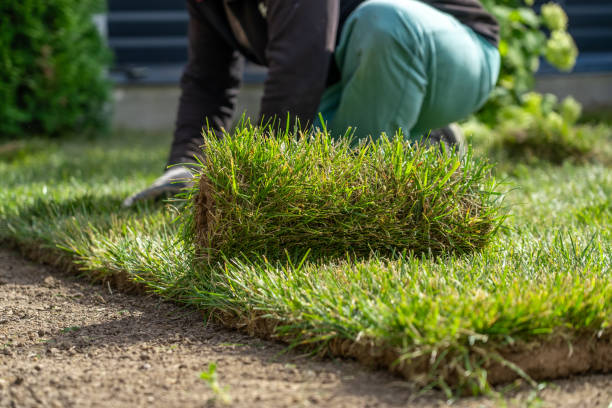
Essential Facts About Landscape Design Milton, MA and Lawn Care Techniques
Lawn care and landscaping are integral components of maintaining a beautiful and functional outdoor space. To achieve long-term success in these areas, it is essential to understand the techniques and practices that work best for your specific environment. Below are key facts and strategies to help you enhance your yard’s health and appeal.
1. Soil Health: The Foundation of Landscaping Success
Healthy soil is the backbone of any thriving lawn or garden. Proper soil preparation ensures better nutrient absorption, root growth, and water retention.
- Test Your Soil: Conduct a soil test to determine its pH levels, nutrient content, and structure before planting or fertilizing.
- Amend as Needed: Add organic matter like compost or mulch to improve texture and fertility.
- Aeration: Regular aeration allows air, water, and nutrients to reach grassroots more effectively.
2. Proper Mowing Techniques for A Healthy Lawn
One of the simplest yet critical aspects of lawn care is mowing. Improper mowing can lead to stress on your grass, making it more susceptible to weeds, pests, and diseases.
- Height Matters: Keep grass at an optimal height—around 2-3 inches for most species—to foster healthy roots and shade out weeds.
- Sharp Blades: Use sharp mower blades for clean cuts that minimize damage to grass blades.
- Frequency: Avoid cutting more than one-third of the grass blade’s height at a time to prevent stress on your lawn.
3. Watering Wisely: Timing & Technique
Overwatering or underwatering can harm your lawn more than help it. Following a strategic watering schedule ensures that plants receive adequate hydration throughout the year.
| Season | Ideal Watering Schedule | Notes |
| Spring | Water 2–3 times per week | Focus on early mornings for efficiency |
| Summer | Increase frequency if needed | Adjust based on heat & rainfall levels |
| Fall | Gradually reduce watering | Encourage roots to establish depth |
| Winter | Minimal watering (if necessary) | Ensure dormant plants stay hydrated |
4. Fertilization Basics for Lawn Nutrition
Proper fertilization provides essential nutrients that lawns need for growth. However, over-fertilization may damage plants or pollute nearby waterways.
- Understand Fertilizer Labels: Look for nitrogen (N), phosphorus (P), and potassium (K) ratios suitable for your grass type.
- Apply Seasonally: Use slow-release fertilizers in spring and fall when root systems are most active.
- Avoid Overuse: Follow manufacturer recommendations when applying fertilizer to prevent “burning” your lawn.
5. Weed Control Strategies
Weeds compete with desirable plants for sunlight, nutrients, and water. Consistent weed management is necessary for maintaining a healthy landscape.
- Preventative Measures:
- Apply pre-emergent herbicides before weed seeds germinate.
- Mulch garden beds to suppress weed growth.
- Removal Techniques:
- Remove weeds manually while they’re small.
- Spot-treat problem areas with selective herbicides as needed.
By focusing on these essential techniques—soil health management, proper mowing habits, strategic watering schedules, balanced fertilization practices, and effective weed control—you’ll ensure that your lawn remains vibrant year-round while minimizing potential challenges commonly associated with landscaping maintenance tasks.
Transform Your Yard and Garden with a Landscaper in Milton, MA
Collaborating with landscaping experts can drastically improve the aesthetics, functionality, and health of your outdoor spaces. Whether you have a small backyard or a sprawling garden, professional landscapers bring expertise, creativity, and technical skills that are often hard to replicate on your own. Here’s how working with professionals can help you achieve the outdoor space of your dreams.
Benefits of Hiring Landscaping Experts
- Tailored Design Plans
Professionals take time to understand your preferences, lifestyle needs, and the potential of your yard before creating a custom landscape design. They consider factors like: - Climate
- Soil type
- Sunlight exposure
- Space utilization
- Access to Expertise
Landscaping experts are well-versed in horticulture, irrigation systems, hardscaping elements, and pest management. Their knowledge ensures the long-term health and beauty of your yard. - Efficient Resource Use
Professionals know how to optimize resources like water usage and ensure proper plant placement for maximum growth potential while minimizing waste. - Increased Property Value
A well-maintained landscape significantly enhances curb appeal, which can boost property resale values by up to 15%.
Steps for Collaborating with Landscaping Experts
- Determine whether you want a relaxing retreat, eco-friendly design, minimalist look, or something else entirely.
- Look for licensed landscapers who specialize in services that align with your goals.
- Establish an initial budget that accounts for plants, materials (like stones or mulch), labor costs, and ongoing maintenance.
- Meet with multiple professionals to compare ideas and get quotes tailored to your vision.
- Work with the landscaper to establish clear project deadlines for planting seasons or major installations.
Professional Services That Make an Impact
| Service | Description | Benefits |
| Lawn Maintenance | Mowing, trimming edges, mulching | Keeps the yard healthy and neat |
| Planting & Design | Selection of native plants or seasonal flowers | Adds visual appeal; supports biodiversity |
| Irrigation Systems | Installation/repair of sprinklers | Ensures efficient water usage |
| Hardscaping | Patios, walkways, retaining walls | Enhances usability; prevents erosion |
| Seasonal Cleanup | Leaf removal and pruning | Prepares yard for changing seasons |
Tips for Finding the Right Landscaper
- Verify certifications or membership in professional organizations (e.g., National Association of Landscape Professionals).
- Read reviews on platforms like Yelp or Google My Business.
- Ask about warranties on plants or structures installed during their service.
- Confirm their knowledge regarding local zoning laws if installing permanent features.
Investing time in selecting skilled landscaping professionals ensures you’ll enjoy an outdoor space tailored perfectly to your needs while increasing its overall functionality and beauty over time.
- Essential Lawn Care Tips for Perfecting Your Milton, MA Landscape
- The Best Time to Start Your Landscaping Milton, MA Project for Maximum Results
- Seasonal Lawn Care Tips and Calendar for Milton, MA Landscape
- Creating Stunning Milton, MA Landscapes with a Thoughtful Landscaping Timeline
- Enhancing the Ecosystem with Native Landscaping in Milton, MA
- Essential Tips for Beginners to Achieve the Perfect Lawn in Milton, MA Landscape
Creating Stunning Milton, MA Landscapes with a Thoughtful Landscaping Timeline
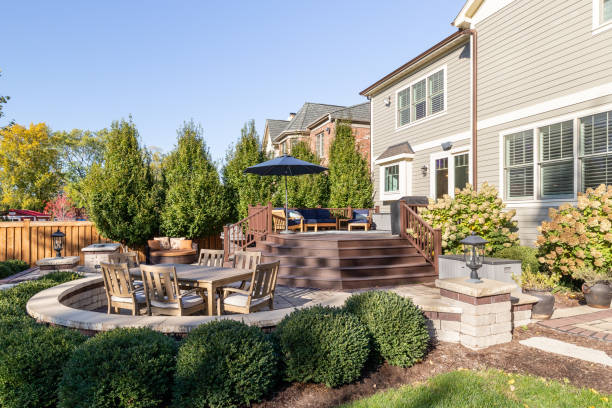
A well-planned landscaping timeline is essential for achieving a beautiful, functional outdoor space. Proper planning ensures that each phase of your project is executed efficiently and within the right time frame, maximizing both aesthetic and practical outcomes. Whether you’re starting from scratch or revamping an existing landscape, understanding the importance of a detailed timeline can make all the difference.
Why a Comprehensive Timeline Matters
- Efficient Use of Resources
A clear timeline helps allocate resources such as labor, materials, and equipment efficiently. This minimizes delays and prevents overspending on last-minute fixes or adjustments. - Seasonal Considerations
Landscaping projects are heavily influenced by seasons. Planting trees, shrubs, or flowers at the wrong time can lead to reduced growth rates or even plant failure. A timeline ensures tasks align with optimal planting seasons. - Budget Management
Breaking down tasks into distinct phases allows for better cost tracking and helps prevent overshooting your budget unexpectedly. - Minimizing Environmental Impact
A comprehensive schedule takes into account local weather patterns and soil conditions, helping preserve natural elements like soil stability while reducing waste.
Key Phases to Include in Your Landscaping Timeline
| Phase | Activities Included | Timeframe |
| Planning & Design | Site analysis, conceptual design creation, budget setting | Week 1 to Week 4 |
| Site Preparation | Clearing debris, grading land, improving soil structure | Week 5 to Week 6 |
| Hardscape Installation | Building patios, walkways, retaining walls | Week 7 to Week 10 |
| Planting & Softscaping | Installing trees, shrubs, flowers; laying sod | Best done during ideal planting months (spring/fall) |
| Final Touches & Maintenance Plan | Adding mulch, irrigation testing; scheduling ongoing care plans | Last phase of project |
Benefits of Following a Well-Defined Timeline
- Avoiding Common Pitfalls: Proper timing reduces risks such as planting during extreme weather conditions or failing to adapt designs to seasonal changes.
- Enhanced Longevity: Projects completed on time often result in landscapes that thrive longer due to optimal installation techniques.
- Improved Collaboration: For projects involving multiple stakeholders (e.g., landscapers and property owners), timelines improve communication and ensure everyone stays aligned throughout.
Tips for Creating an Effective Landscaping Timeline
- Consult Professionals Early: Experienced landscapers can guide you in scheduling tasks based on local climate and project goals.
- Account for Unforeseen Delays: Weather changes or supply chain disruptions may impact timelines; include buffer periods for flexibility.
- Customize Based on Property Needs: Each landscape is unique—design your schedule around factors such as soil condition, sun exposure patterns, and intended use of space.
A comprehensive landscaping timeline isn’t just about meeting deadlines—it’s about ensuring quality results while reducing stress throughout the process. Thoughtful planning provides clarity at every step and sets the foundation for creating outdoor spaces you’ll enjoy for years to come.
Top Tips for Year-Round Milton, MA Landscape Success and Planning
Creating a Detailed Annual Plan with Landscapers Milton, MA
A yearly landscaping plan allows you to address needs specific to each season. A comprehensive plan should include:
– Planting schedules: Choose plants that thrive in different seasons to maintain vibrant landscapes all year.
– Fertilization timing: Apply fertilizers based on the growth stage of plants. For instance, spring often requires nitrogen-rich fertilizers for new growth.
– Pruning plans: Schedule pruning sessions when plants are dormant or after flowering cycles for optimal results.
| Month | Key Landscape Activities | Notes |
| January | Inspect hardscape elements | Address snow/ice damage if needed |
| March | Begin spring cleanup and mulching | Prepare beds for new plantings |
| July | Water frequently; manage pests | Focus on heat-tolerant varieties |
| October | Plant bulbs; remove fallen leaves | Prep for winter dormancy |
Smart Tips for Landscape Design in Milton, MA
Opting for a mix of evergreen and seasonal plants ensures your outdoor space remains visually appealing regardless of the time of year. Consider these plant types:
– Perennials: Offer recurring beauty with minimal replanting (e.g., hostas, daylilies).
– Annuals: Provide vibrant color during specific seasons but require replanting (e.g., petunias).
– Evergreens: Add structure and greenery to landscapes even during winter months (e.g., boxwoods, junipers).
Enhance Your Outdoor Space with a Trusted Landscaper in Milton, MA
Healthy soil is fundamental to sustainable landscaping. To maintain soil vitality throughout the year:
1. Test soil pH annually and amend as necessary using compost or lime. 2. Mulch garden beds to retain moisture, regulate temperature, and prevent weed growth. 3. Rotate crops in edible gardens to avoid nutrient depletion.
Seasonal Irrigation Tips from Top Landscaping Companies in Milton, MA
Watering needs fluctuate across the seasons due to changes in temperature and rainfall patterns: – In warmer months, ensure irrigation systems are functional and provide deep watering early morning or late evening. – During colder months, winterize irrigation systems to prevent freezing damage.
Effective Lawn Care in Milton, MA to Prevent Pests and Diseases
Pests can cause significant harm if not monitored regularly: – Use natural deterrents like neem oil or companion planting strategies. – Conduct monthly inspections to catch infestations early before they spread.
Expert Milton, MA Landscape Design Services for Your Outdoor Needs
While DIY efforts can cover basic tasks, some jobs benefit from expert attention: – Hardscape installations like patios or retaining walls require specialized skills. – Arborists are invaluable when dealing with tree care or removal.
Following these tips ensures that your landscape flourishes throughout the year while remaining manageable regardless of seasonal challenges.
Year-Round Tips for Milton, MA Landscaping Success and Planning
Achieving a thriving and visually appealing landscape throughout the year requires thoughtful planning, seasonal awareness, and consistent effort. Whether you’re a professional landscaper or a homeowner, adopting year-round landscaping strategies can help you maintain healthy outdoor spaces regardless of the season. Below are practical tips to guide your landscaping efforts every month of the year.
1. Understand Your Region’s Climate
Knowing your local climate is essential for effective landscaping. This knowledge allows you to select appropriate plants, plan maintenance schedules, and make adjustments based on seasonal changes.
- Identify your USDA Hardiness Zone.
- Observe sunlight patterns in different parts of your property.
- Monitor soil health and drainage capacity year-round.
2. Create a Seasonal Planting Calendar
A well-organized planting calendar ensures that flowers, shrubs, and trees thrive at different times of the year while keeping your landscape attractive in all seasons.
| Season | Landscaping Focus | Suggested Plants |
| Spring | Planting new seeds and adding mulch | Tulips, daffodils, pansies |
| Summer | Frequent watering and pest control | Marigolds, petunias, hydrangeas |
| Fall | Pruning shrubs and planting cool-season crops | Mums, kale, ornamental grasses |
| Winter | Protecting plants from frost; adding evergreens | Holly bushes, spruce trees |
3. Practice Proper Seasonal Maintenance
Each season demands specific maintenance practices to keep your landscape functional and visually appealing. Adopting these habits can prevent long-term damage caused by neglect or harsh weather conditions.
- Spring: Clear debris from winter storms; fertilize soil to prepare for growth.
- Summer: Regularly mow lawns; ensure irrigation systems are functioning efficiently.
- Fall: Rake fallen leaves; aerate lawns to improve root health.
- Winter: Insulate delicate plants with burlap wraps; prune dormant trees.
4. Incorporate Native Plants
Native plants are better adapted to local climates and require less maintenance over time. Adding them to your landscape fosters biodiversity while reducing water usage. Examples include drought-tolerant perennials or pollinator-friendly wildflowers depending on your region.
5. Plan for Year-Round Visual Appeal
- Use evergreens as foundational elements for winter greenery.
- Introduce flowering plants with staggered blooming cycles.
- Include hardscape features like stone pathways or garden sculptures for visual interest during dormant months.
6. Invest in Smart Landscaping Technology
- Install weather-based irrigation controllers to optimize watering schedules.
- Use soil moisture sensors to avoid overwatering plants.
- Leverage LED lighting systems to highlight features during darker months.
Benefits of Long-Term Landscaping Planning
- You reduce the likelihood of costly emergency repairs caused by neglect or seasonal damage.
- A well-maintained landscape increases property value by enhancing curb appeal.
- Consistent care fosters healthier ecosystems that benefit both plants and wildlife.
Taking these steps will not only improve the overall appearance of outdoor spaces but also create sustainable landscapes that endure through every season with minimal effort over time.
Monthly Guide to Seasonal Landscaping for Optimal Results
A well-maintained landscape requires careful planning and execution throughout the year. By aligning your landscaping efforts with the seasons, you can ensure healthier plants, vibrant outdoor spaces, and sustainable growth. Below is a month-by-month guide to help you achieve optimal results in your landscaping endeavors.
January – February: Planning and Preparation
- Assess your property for damaged trees or shrubs caused by winter weather.
- Develop a landscaping plan for the year, including new design elements or plant additions.
- Prune dormant trees and shrubs.
- Sharpen tools and service equipment such as lawnmowers and trimmers.
March – April: Early Spring Growth
- Prepare your outdoor spaces for the growing season by improving soil health.
- Begin planting cool-season flowers and vegetables.
- Test soil pH levels and amend soil as needed.
- Apply pre-emergent herbicides to prevent weed growth.
- Mulch flower beds to retain soil moisture.
May – June: Peak Growing Season
- Plant warm-season flowers, vegetables, and grasses during this active growing period.
- Pay extra attention to irrigation needs as temperatures rise.
- Fertilize lawns based on grass type (e.g., cool-season vs. warm-season).
- Incorporate pest control strategies to protect vulnerable plants.
| Warm-Season Plants | Ideal Planting Time |
| Tomatoes | Late May |
| Zinnias | Early June |
July – August: Managing Summer Stress
- Protect plants from heat stress while promoting consistent growth during hot months.
- Deep water plants early in the morning or late evening to reduce evaporation losses.
- Remove spent blooms (deadheading) from flowering plants to encourage further blooming.
September – October: Fall Preparation
- Transition your landscape by planting perennials that thrive in cooler weather.
- Prepare lawns for dormancy while addressing fall clean-up tasks.
- Tasks: Core aerate / overseeding-option again helpful perhaps better splti table lists
Enhance Your Outdoor Spaces with Expert Landscaping in Milton, MA
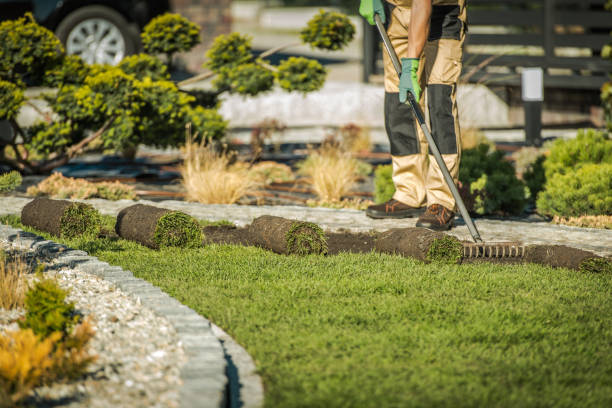
Professional landscapers play a vital role in transforming outdoor spaces into functional, aesthetically pleasing environments. By combining expertise, creativity, and technical skills, they bring visions to life and provide homeowners or businesses with outdoor settings that meet their needs and preferences. Here’s how professional landscapers enhance outdoor spaces with innovative solutions.
Custom Design Plans
- Property size: Maximizing functionality while maintaining balance.
- Climate conditions: Selecting plants and materials suited to the local environment.
- Lifestyle needs: Designing spaces for entertaining, gardening, or relaxation.
- Budget constraints: Optimizing resources without compromising quality.
For example, a professional may create a seamless balance between hardscaping (patios, walkways) and softscaping (plants, trees) to ensure the space is both visually appealing and practical.
Incorporation of Sustainable Practices
- Native plant selection: Reducing water usage by choosing species that thrive in the local ecosystem.
- Rainwater harvesting systems: Installing collection systems for irrigation purposes.
- Permeable paving materials: Minimizing water runoff by using materials like porous concrete or gravel.
- Efficient irrigation methods: Implementing drip irrigation or smart sprinklers to conserve water.
These practices not only benefit the environment but also reduce long-term maintenance costs for property owners.
Creative Hardscape Solutions
| Hardscape Element | Creative Solutions |
| Patios & Decks | Unique patterns using pavers or wood composites for durability |
| Walkways | Curved paths bordered with low-maintenance plants |
| Retaining Walls | Multi-functional walls that serve as seating areas |
| Fire Pits | Custom fire features incorporating natural stone |
By integrating these elements thoughtfully, professionals can create versatile spaces ideal for relaxation or entertainment.
Expert Plant Selection and Placement
- Seasonal appeal – Ensuring year-round vibrancy with flowering plants, evergreens, or foliage changes.
- Maintenance requirements – Recommending low-maintenance options for busy homeowners.
- Sunlight exposure – Choosing shade-tolerant or sun-loving plants based on placement within the yard.
Proper placement not only enhances aesthetics but also supports plant health by promoting optimal growth conditions.
Problem-Solving Through Innovation
- Installing drainage systems in areas prone to flooding.
- Designing sloped gardens that prevent soil erosion while adding visual interest.
- Repurposing small spaces into vertical gardens where ground space is limited.
Their ability to think outside the box ensures all aspects of an outdoor area are functional and beautiful.
Professional landscapers continually develop innovative solutions to help clients make the most of their outdoor environments. From designing tailored layouts to implementing sustainable practices, their expertise ensures every detail contributes toward creating an inviting space tailored specifically for its owner’s needs.
The Essential Role of Expert Landscapers in Transforming Your Property
Expert landscapers play a pivotal role in enhancing properties by combining technical expertise, creativity, and practical know-how to deliver visually stunning and functional outdoor spaces. Homeowners and businesses alike can benefit from their experience to create spaces that are not only beautiful but also sustainable and tailored to specific needs.
Expertise in Design and Planning
- Assess the unique characteristics of your property, such as soil quality, topography, climate conditions, and drainage.
- Create cohesive designs that blend natural elements with hardscapes (e.g., patios, walkways, retaining walls).
- Optimize spatial usage while maintaining aesthetic appeal.
| Design Element | Considerations | Benefits |
| Plant Selection | Climate compatibility, maintenance level | Long-term growth and vibrancy |
| Hardscape Layout | Placement of structures for functionality | Improved usability and flow |
| Water Features | Environmental impact, resource efficiency | Adds tranquility without waste |
Efficient Use of Resources
- Choosing eco-friendly materials.
- Implementing water-efficient irrigation systems.
- Recommending low-maintenance plant species suited for your climate zone.
These practices not only reduce costs but also contribute toward sustainable landscaping efforts.
Customized Solutions for Every Property
Every property is unique, which means cookie-cutter designs rarely work. Skilled landscapers tailor their approach based on client goals and site-specific factors. Whether your priority is creating a family-friendly garden or an inviting commercial courtyard for clients, they design solutions aligned with both aesthetics and functionality.
- Residential Properties: Designing child-safe play areas surrounded by lush greenery.
- Commercial Spaces: Incorporating low-maintenance plants that remain visually appealing year-round.
- Urban Settings: Maximizing limited space with vertical gardens or rooftop landscaping.
Project Management Expertise
- Creating realistic timelines for project completion.
- Ensuring compliance with local regulations regarding zoning or plant restrictions.
- Coordinating teams of specialists (e.g., arborists or construction professionals) as needed.
This level of organization helps avoid costly delays or mistakes during the implementation process.
Long-Term Value Addition
- Increased Property Value: Homes with professionally landscaped yards often see higher resale values compared to those without.
- Enhanced Curb Appeal: Thoughtful landscaping creates a welcoming first impression for visitors or potential buyers.
- Environmental Benefits: Strategic planting reduces heat islands around buildings while improving air quality through trees and shrubs.
By partnering with skilled landscapers who understand these dynamics, you can ensure your outdoor spaces are not only breathtaking but also enduring investments in the overall value of your property.
Key Benefits of Partnering with Skilled Landscapers for Your Projects
1. Expertise in Design and Planning
- Proper placement of plants for optimal growth.
- Strategic use of hardscapes (e.g., patios, walkways) for functionality.
- A cohesive design that blends seamlessly with your property’s architecture.
2. Cost-Effective Solutions
While it might seem more cost-effective to handle landscaping projects yourself, hiring experts often results in long-term savings. Landscapers have access to wholesale materials, specialized tools, and tested techniques that reduce errors and waste.
| Aspect | DIY Estimated Cost | Professional Service Cost |
| Tools & Equipment | High (purchase/rental fees) | Included in service cost |
| Plant Replacement (due to poor placement) | Frequent | Minimal |
| Time Investment | Significant | Streamlined process |
3. Enhanced Property Value
A well-maintained landscape significantly increases the aesthetic and financial value of your property. According to industry studies, professional landscaping can boost home resale values by up to 15%. Landscapers focus on creating features that attract potential buyers or simply improve the homeowner’s enjoyment of their outdoor space.
- Installing water features or outdoor lighting for ambiance.
- Crafting low-maintenance designs tailored to future buyers.
- Selecting native plants that thrive in the local climate.
4. Time Efficiency
Landscaping projects often require weeks—or even months—of planning and execution when done independently. Professionals streamline this process by managing timelines efficiently while ensuring high-quality results.
- Coordinating material deliveries.
- Scheduling plant installation during peak growing seasons.
- Ensuring proper irrigation systems are installed promptly.
5. Access to Creative Solutions
Skilled landscapers excel at thinking outside the box to deliver unique designs tailored to your needs. Whether you want a modern aesthetic or a rustic retreat, their creativity ensures an innovative approach that elevates your space beyond standard designs.
- Vertical gardens for small spaces.
- Sustainable xeriscaping techniques for arid climates.
- Multi-purpose outdoor areas combining seating, dining, and play spaces.
Partnering with expert landscapers allows homeowners and businesses alike to achieve stunning results while saving time and resources. From design expertise to eco-friendly solutions, skilled professionals work collaboratively with clients to bring their vision into reality while maximizing benefits across all aspects of landscaping projects.
- Essential Lawn Care Tips for Perfecting Your Milton, MA Landscape
- The Best Time to Start Your Landscaping Milton, MA Project for Maximum Results
- Seasonal Lawn Care Tips and Calendar for Milton, MA Landscape
- Creating Stunning Milton, MA Landscapes with a Thoughtful Landscaping Timeline
- Enhancing the Ecosystem with Native Landscaping in Milton, MA
- Essential Tips for Beginners to Achieve the Perfect Lawn in Milton, MA Landscape