
A well-maintained lawn requires consistent care throughout the year. By understanding seasonal changes and adapting your lawn care practices accordingly, you can ensure a healthy and vibrant landscape. Below is a detailed calendar and essential tips for maintaining your yard in every season.
Spring Tips from Top Landscaping Companies in Milton, MA
Spring is the season of rejuvenation, making it the ideal time to prepare your lawn for active growth.
Key Tasks: – Aeration: Loosen compacted soil by aerating to improve water, air, and nutrient absorption. – Dethatching: Remove excess thatch (dead grass layer) to promote healthier root development. – Fertilization: Apply a balanced fertilizer with nitrogen to encourage robust growth. – Seeding: Overseed bare patches or areas with thinning grass. – Weed Control: Use pre-emergent herbicides to prevent weeds like crabgrass before they sprout.
| Task | Recommended Timing |
| Aeration | Early spring |
| Fertilization | Mid to late spring |
| Dethatching | Early spring |
Tips for Expert Lawn Care in Milton, MA
The summer months bring heat stress and increased water demand. Protect your lawn from harsh conditions by adjusting your care routine.
Key Tips: – Watering: Deeply water in the early morning, aiming for about 1–1.5 inches per week. Avoid frequent shallow watering. – Mowing Height: Keep grass longer (around 3–4 inches) to retain moisture and shade roots. – Pest Management: Check regularly for signs of grubs or other pests that thrive in summer heat. – Avoid Over-Fertilizing: Excessive fertilizing during hot weather can cause stress or damage.
Additional Advice: Consider mulching clippings while mowing, as they naturally decompose and return nutrients to the soil.
Preparing Your Yard for Fall with Milton, MA Landscape Design
As temperatures cool, fall provides an opportunity to prepare your lawn for winter dormancy while enriching it with vital nutrients.
Key Tasks: – Fertilization: Use a high-potassium fertilizer designed for fall application to strengthen roots. – Leaf Removal: Rake or mulch fallen leaves regularly to prevent suffocation of grass blades. – Seeding & Overseeding: Plant cool-season grasses or reseed thin areas before frost sets in. – Aeration (if needed): Open compacted soil again during fall if necessary.
| Task | Best Timing |
| Fertilization | Early-to-mid fall |
| Seeding | Late summer/early fall |
Winter Landscaping Tips for Protecting Dormant Plants in Milton, MA
Although grass remains dormant during winter, certain protective measures ensure it survives cold conditions unscathed.
Winter Care Strategies: 1. Avoid heavy foot traffic on frozen lawns, as it can damage dormant turfgrass. 2. Clear snow strategically—don’t pile heavy snow onto grassy areas unnecessarily. 3. Inspect tools like mowers so they are ready when spring arrives. Sharpen blades if needed.
Pro Tip: Apply a light layer of organic compost in late fall or early winter as insulation against temperature fluctuations.
By tailoring your approach according to seasonal variations, you can maintain a lush, resilient lawn year-round. Understanding each period’s demands allows you not only to address issues proactively but also build an outdoor space that enhances both curb appeal and environmental health.
Best Times to Schedule Landscaping Milton, MA Services for a Healthy Yard
Maintaining a healthy, vibrant lawn requires timely care and attention throughout the year. Understanding when to schedule lawn services can play a crucial role in ensuring your yard thrives in every season. With proper scheduling, you can address seasonal priorities like fertilization, aeration, weed control, and mowing. Below is a guide to help you determine when to book professional lawn services for optimal results.
Spring: Preparing the Lawn for Growth
Spring is one of the most critical times for lawn care as it sets the foundation for healthy growth during the warmer months.
Key services to consider:
– Aeration: Relieve soil compaction from winter freeze-thaw cycles to improve root penetration.
– Fertilization: Apply a nitrogen-rich fertilizer at the beginning of spring to jumpstart grass growth.
– Weed Control: Use pre-emergent herbicides early in spring to prevent weeds like crabgrass from germinating.
– Seeding: Address bare or thin areas by overseeding early in the season when soil temperatures are conducive to germination.
Timing Tip: Schedule these treatments mid-to-late spring once ground temperatures rise consistently above 50°F.
Summer: Keeping Your Lawn Hydrated and Healthy
The summer months bring heat stress, pests, and potential drought conditions that can impact yard health.
Key services to consider:
– Irrigation System Services: Ensure sprinklers are functioning properly so your lawn gets even watering during hot spells.
– Pest Management: Treat common summer lawn pests such as grubs that can damage both turf and plant roots.
– Mowing Adjustments: Keep grass at a height of around 3 inches to encourage deeper roots and reduce stress from heat exposure.
Timing Tip: Schedule pest control treatments early in summer before infestations grow severe.
Fall: Repairing Damage and Preparing for Dormancy
Fall is ideal for repairing summer damage while also preparing your lawn for winter dormancy.
Key services to consider: – Aeration & Overseeding: Improve soil porosity while introducing new seed varieties that enhance turf density. – Fertilization: Apply slow-release fertilizers rich in potassium near late fall; this helps strengthen root systems ahead of colder months. – Leaf Cleanup: Minimize fungal issues by removing debris like fallen leaves that trap moisture on your grass.
Timing Tip: Early-to-mid autumn offers ideal temperatures for seeding and fertilizing cool-season grasses.
Winter: Protecting Your Lawn’s Integrity
While lawns remain dormant during winter, strategic prep work ensures better results come springtime.
Key considerations: – Avoid excessive foot traffic on frozen turf as it may damage dormant grass. – Inspect landscaping tools and irrigation systems to prepare them for next year’s use. – Consider dormant-season treatments such as lime applications if soil pH adjustments are needed.
Timing Tip: Late fall or early winter is an excellent time for those final maintenance tasks before snow arrives.
| Season | Key Services | Timing Tips |
| Spring | Aeration, fertilization, weed control | Mid-to-late spring (temp > 50°F) |
| Summer | Irrigation checks, pest management | Early summer (before infestations peak) |
| Fall | Aeration, overseeding, leaf cleanup | Mid-fall (cooler temps encourage growth) |
| Winter | Soil pH testing, tool inspections | Late fall/early winter |
By aligning your scheduling with each season’s specific needs, you create a care routine tailored not only for aesthetic appeal but also long-term yard health.
Best Times to Schedule Lawn Services for Beautiful Milton, MA Landscapes
Proper lawn care requires strategic planning and timely actions. Knowing when to schedule specific lawn services can significantly impact the health and appearance of your yard. Below is a guide detailing the best times to perform key lawn care tasks.
Seasonal Lawn Care Schedule
| Season | Key Lawn Services | Benefits |
| Spring | Aeration, fertilization, overseeding | Improves soil health, boosts growth, fills in bare spots |
| Summer | Regular mowing, watering, pest control | Promotes even growth and prevents damage caused by drought or pests |
| Fall | Leaf removal, dethatching, fertilization | Prepares grass for winter dormancy and strengthens roots |
| Winter | Snow management (if applicable), equipment care | Protects your yard from snow damage and ensures tools are ready |
Crucial Lawn Care Activities by Season
- Aerate the Soil: Early spring is an ideal time to aerate compacted lawns, allowing water, nutrients, and air to reach grassroots efficiently.
- Overseeding: Fill in sparse areas by planting new grass seeds in mid-to-late spring when temperatures are moderate.
- Fertilization: Apply a balanced fertilizer to promote healthy growth as the growing season begins.
- Mowing Practices: Set mower blades slightly higher during summer; taller grass shades the soil and retains moisture better. Mow weekly or as needed based on grass growth.
- Watering Routine: Water deeply but less frequently—ideally early in the morning to minimize evaporation. Aim for one inch of water per week (including rainfall).
- Pest Monitoring: If you notice thinning patches or discoloration, consider pest control methods like organic treatments or professional interventions.
- Leaf Removal: Accumulated leaves block sunlight and trap moisture on your lawn’s surface, creating an environment conducive to fungal diseases.
- Dethatching & Fertilizing: Remove thatch buildup and apply fall-specific fertilizers high in potassium to enhance root strength before winter dormancy.
- Avoid excessive foot traffic on dormant lawns as it can damage fragile grass blades.
- If you live in snow-prone areas, manage snow piles carefully around driveways and pathways to prevent soil compaction.
Tips for Scheduling Professional Lawn Services
- Book early for seasonal services like aeration or seeding; spring schedules for landscapers often fill up quickly due to high demand.
- Opt for ongoing maintenance plans with landscaping professionals—they often include tailored schedules based on your region’s climate.
- Collaborate with experts who can assess unique yard conditions such as soil type or drainage issues.
Timely scheduling helps maintain a healthy yard throughout the year while reducing stress associated with last-minute maintenance needs.
How to Achieve a Thriving Landscape with Landscapers Milton, MA
Creating and maintaining a thriving landscape requires more than just planting flowers and mowing the lawn. It involves strategic planning, specialized knowledge, and ongoing care. Professional landscapers bring expertise and resources that can transform your outdoor space into a lush, healthy environment. Here’s how professional guidance can make a significant difference.
The Benefits of Hiring Landscape Professionals
- Professionals understand soil types, plant species, and climate needs specific to your region.
- They can assess environmental factors such as drainage, sunlight exposure, and airflow to recommend the best design and plant selections.
- Landscaping projects often require significant time for planning, preparation, and execution. Experts streamline this process by handling all aspects efficiently.
- Routine maintenance tasks such as pruning, fertilizing, and pest control are managed on schedule without requiring your constant attention.
- Professionals work with you to create a tailored landscape plan based on your aesthetic preferences and functional needs.
- They ensure that plants are placed in optimal locations to thrive while enhancing the visual appeal of your yard.
Key Ways Professionals Improve Your Landscape
- Soil Testing & Preparation: Healthy plants begin with healthy soil. Experts test pH levels, nutrient content, and soil texture before making improvements through amendments or composting techniques.
- Plant Selection: Landscapers recommend trees, shrubs, perennials, or annuals that are native or well-suited to your region’s climate for sustainability.
- Hardscaping: Adding features like patios, garden paths, retaining walls or water elements is handled by professionals who ensure structural integrity.
Seasonal Services Offered by Landscapers
| Season | Services Provided | Benefits |
| Spring | Aeration, overseeding & fertilization | Encourages robust growth |
| Summer | Watering plans & pest control | Protects plants from stress |
| Fall | Leaf removal & winter preparation | Prepares lawn for dormancy |
| Winter | Snow removal & tree care | Maintains safety & plant health |
Questions to Ask Before Hiring Professionals
- What services do you offer year-round?
- Are you familiar with sustainable landscaping practices?
- Do you have experience with my region’s specific climate challenges?
- Can I see examples of past projects or references?
Tips for Maximizing Results from Professional Help
- Communicate clearly about your goals for the landscape (e.g., low maintenance vs high impact).
- Be open to expert recommendations even if they differ from initial ideas—landscapers often anticipate challenges you may not foresee.
- Establish a long-term plan that includes regular maintenance visits to preserve the beauty of your yard over time.
Hiring professional landscapers is an investment in both the appearance and health of your outdoor space. Their guidance ensures precision in every detail while saving you time and effort—resulting in a thriving landscape you can enjoy year-round.
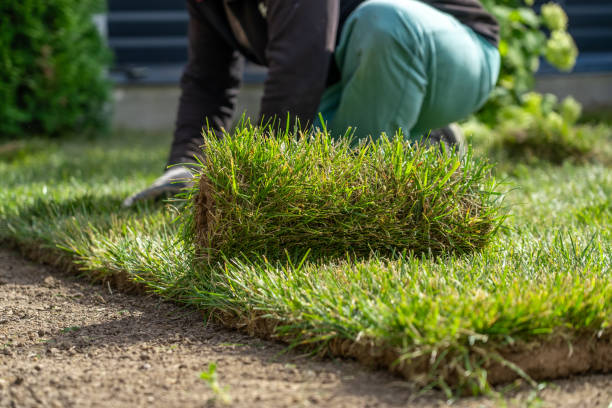
Essential Facts About Landscape Design Milton, MA and Lawn Care Techniques
Lawn care and landscaping are integral components of maintaining a beautiful and functional outdoor space. To achieve long-term success in these areas, it is essential to understand the techniques and practices that work best for your specific environment. Below are key facts and strategies to help you enhance your yard’s health and appeal.
1. Soil Health: The Foundation of Landscaping Success
Healthy soil is the backbone of any thriving lawn or garden. Proper soil preparation ensures better nutrient absorption, root growth, and water retention.
- Test Your Soil: Conduct a soil test to determine its pH levels, nutrient content, and structure before planting or fertilizing.
- Amend as Needed: Add organic matter like compost or mulch to improve texture and fertility.
- Aeration: Regular aeration allows air, water, and nutrients to reach grassroots more effectively.
2. Proper Mowing Techniques for A Healthy Lawn
One of the simplest yet critical aspects of lawn care is mowing. Improper mowing can lead to stress on your grass, making it more susceptible to weeds, pests, and diseases.
- Height Matters: Keep grass at an optimal height—around 2-3 inches for most species—to foster healthy roots and shade out weeds.
- Sharp Blades: Use sharp mower blades for clean cuts that minimize damage to grass blades.
- Frequency: Avoid cutting more than one-third of the grass blade’s height at a time to prevent stress on your lawn.
3. Watering Wisely: Timing & Technique
Overwatering or underwatering can harm your lawn more than help it. Following a strategic watering schedule ensures that plants receive adequate hydration throughout the year.
| Season | Ideal Watering Schedule | Notes |
| Spring | Water 2–3 times per week | Focus on early mornings for efficiency |
| Summer | Increase frequency if needed | Adjust based on heat & rainfall levels |
| Fall | Gradually reduce watering | Encourage roots to establish depth |
| Winter | Minimal watering (if necessary) | Ensure dormant plants stay hydrated |
4. Fertilization Basics for Lawn Nutrition
Proper fertilization provides essential nutrients that lawns need for growth. However, over-fertilization may damage plants or pollute nearby waterways.
- Understand Fertilizer Labels: Look for nitrogen (N), phosphorus (P), and potassium (K) ratios suitable for your grass type.
- Apply Seasonally: Use slow-release fertilizers in spring and fall when root systems are most active.
- Avoid Overuse: Follow manufacturer recommendations when applying fertilizer to prevent “burning” your lawn.
5. Weed Control Strategies
Weeds compete with desirable plants for sunlight, nutrients, and water. Consistent weed management is necessary for maintaining a healthy landscape.
- Preventative Measures:
- Apply pre-emergent herbicides before weed seeds germinate.
- Mulch garden beds to suppress weed growth.
- Removal Techniques:
- Remove weeds manually while they’re small.
- Spot-treat problem areas with selective herbicides as needed.
By focusing on these essential techniques—soil health management, proper mowing habits, strategic watering schedules, balanced fertilization practices, and effective weed control—you’ll ensure that your lawn remains vibrant year-round while minimizing potential challenges commonly associated with landscaping maintenance tasks.
Transform Your Yard and Garden with a Landscaper in Milton, MA
Collaborating with landscaping experts can drastically improve the aesthetics, functionality, and health of your outdoor spaces. Whether you have a small backyard or a sprawling garden, professional landscapers bring expertise, creativity, and technical skills that are often hard to replicate on your own. Here’s how working with professionals can help you achieve the outdoor space of your dreams.
Benefits of Hiring Landscaping Experts
- Tailored Design Plans
Professionals take time to understand your preferences, lifestyle needs, and the potential of your yard before creating a custom landscape design. They consider factors like: - Climate
- Soil type
- Sunlight exposure
- Space utilization
- Access to Expertise
Landscaping experts are well-versed in horticulture, irrigation systems, hardscaping elements, and pest management. Their knowledge ensures the long-term health and beauty of your yard. - Efficient Resource Use
Professionals know how to optimize resources like water usage and ensure proper plant placement for maximum growth potential while minimizing waste. - Increased Property Value
A well-maintained landscape significantly enhances curb appeal, which can boost property resale values by up to 15%.
Steps for Collaborating with Landscaping Experts
- Determine whether you want a relaxing retreat, eco-friendly design, minimalist look, or something else entirely.
- Look for licensed landscapers who specialize in services that align with your goals.
- Establish an initial budget that accounts for plants, materials (like stones or mulch), labor costs, and ongoing maintenance.
- Meet with multiple professionals to compare ideas and get quotes tailored to your vision.
- Work with the landscaper to establish clear project deadlines for planting seasons or major installations.
Professional Services That Make an Impact
| Service | Description | Benefits |
| Lawn Maintenance | Mowing, trimming edges, mulching | Keeps the yard healthy and neat |
| Planting & Design | Selection of native plants or seasonal flowers | Adds visual appeal; supports biodiversity |
| Irrigation Systems | Installation/repair of sprinklers | Ensures efficient water usage |
| Hardscaping | Patios, walkways, retaining walls | Enhances usability; prevents erosion |
| Seasonal Cleanup | Leaf removal and pruning | Prepares yard for changing seasons |
Tips for Finding the Right Landscaper
- Verify certifications or membership in professional organizations (e.g., National Association of Landscape Professionals).
- Read reviews on platforms like Yelp or Google My Business.
- Ask about warranties on plants or structures installed during their service.
- Confirm their knowledge regarding local zoning laws if installing permanent features.
Investing time in selecting skilled landscaping professionals ensures you’ll enjoy an outdoor space tailored perfectly to your needs while increasing its overall functionality and beauty over time.
- Essential Lawn Care Tips for Perfecting Your Milton, MA Landscape
- The Best Time to Start Your Landscaping Milton, MA Project for Maximum Results
- Seasonal Lawn Care Tips and Calendar for Milton, MA Landscape
- Creating Stunning Milton, MA Landscapes with a Thoughtful Landscaping Timeline
- Enhancing the Ecosystem with Native Landscaping in Milton, MA
- Essential Tips for Beginners to Achieve the Perfect Lawn in Milton, MA Landscape