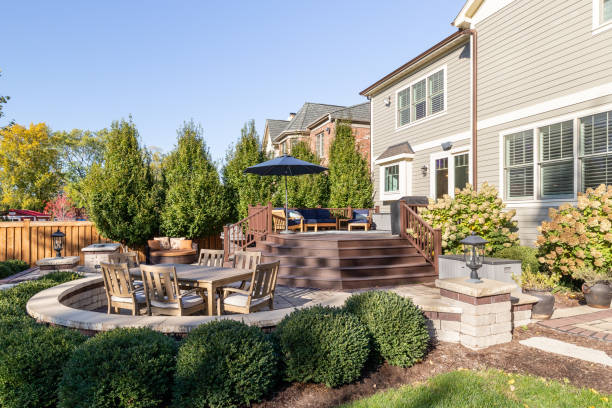
A well-planned landscaping timeline is essential for achieving a beautiful, functional outdoor space. Proper planning ensures that each phase of your project is executed efficiently and within the right time frame, maximizing both aesthetic and practical outcomes. Whether you’re starting from scratch or revamping an existing landscape, understanding the importance of a detailed timeline can make all the difference.
Why a Comprehensive Timeline Matters
- Efficient Use of Resources
A clear timeline helps allocate resources such as labor, materials, and equipment efficiently. This minimizes delays and prevents overspending on last-minute fixes or adjustments. - Seasonal Considerations
Landscaping projects are heavily influenced by seasons. Planting trees, shrubs, or flowers at the wrong time can lead to reduced growth rates or even plant failure. A timeline ensures tasks align with optimal planting seasons. - Budget Management
Breaking down tasks into distinct phases allows for better cost tracking and helps prevent overshooting your budget unexpectedly. - Minimizing Environmental Impact
A comprehensive schedule takes into account local weather patterns and soil conditions, helping preserve natural elements like soil stability while reducing waste.
Key Phases to Include in Your Landscaping Timeline
| Phase | Activities Included | Timeframe |
| Planning & Design | Site analysis, conceptual design creation, budget setting | Week 1 to Week 4 |
| Site Preparation | Clearing debris, grading land, improving soil structure | Week 5 to Week 6 |
| Hardscape Installation | Building patios, walkways, retaining walls | Week 7 to Week 10 |
| Planting & Softscaping | Installing trees, shrubs, flowers; laying sod | Best done during ideal planting months (spring/fall) |
| Final Touches & Maintenance Plan | Adding mulch, irrigation testing; scheduling ongoing care plans | Last phase of project |
Benefits of Following a Well-Defined Timeline
- Avoiding Common Pitfalls: Proper timing reduces risks such as planting during extreme weather conditions or failing to adapt designs to seasonal changes.
- Enhanced Longevity: Projects completed on time often result in landscapes that thrive longer due to optimal installation techniques.
- Improved Collaboration: For projects involving multiple stakeholders (e.g., landscapers and property owners), timelines improve communication and ensure everyone stays aligned throughout.
Tips for Creating an Effective Landscaping Timeline
- Consult Professionals Early: Experienced landscapers can guide you in scheduling tasks based on local climate and project goals.
- Account for Unforeseen Delays: Weather changes or supply chain disruptions may impact timelines; include buffer periods for flexibility.
- Customize Based on Property Needs: Each landscape is unique—design your schedule around factors such as soil condition, sun exposure patterns, and intended use of space.
A comprehensive landscaping timeline isn’t just about meeting deadlines—it’s about ensuring quality results while reducing stress throughout the process. Thoughtful planning provides clarity at every step and sets the foundation for creating outdoor spaces you’ll enjoy for years to come.
Top Tips for Year-Round Milton, MA Landscape Success and Planning
Creating a Detailed Annual Plan with Landscapers Milton, MA
A yearly landscaping plan allows you to address needs specific to each season. A comprehensive plan should include:
– Planting schedules: Choose plants that thrive in different seasons to maintain vibrant landscapes all year.
– Fertilization timing: Apply fertilizers based on the growth stage of plants. For instance, spring often requires nitrogen-rich fertilizers for new growth.
– Pruning plans: Schedule pruning sessions when plants are dormant or after flowering cycles for optimal results.
| Month | Key Landscape Activities | Notes |
| January | Inspect hardscape elements | Address snow/ice damage if needed |
| March | Begin spring cleanup and mulching | Prepare beds for new plantings |
| July | Water frequently; manage pests | Focus on heat-tolerant varieties |
| October | Plant bulbs; remove fallen leaves | Prep for winter dormancy |
Smart Tips for Landscape Design in Milton, MA
Opting for a mix of evergreen and seasonal plants ensures your outdoor space remains visually appealing regardless of the time of year. Consider these plant types:
– Perennials: Offer recurring beauty with minimal replanting (e.g., hostas, daylilies).
– Annuals: Provide vibrant color during specific seasons but require replanting (e.g., petunias).
– Evergreens: Add structure and greenery to landscapes even during winter months (e.g., boxwoods, junipers).
Enhance Your Outdoor Space with a Trusted Landscaper in Milton, MA
Healthy soil is fundamental to sustainable landscaping. To maintain soil vitality throughout the year:
1. Test soil pH annually and amend as necessary using compost or lime. 2. Mulch garden beds to retain moisture, regulate temperature, and prevent weed growth. 3. Rotate crops in edible gardens to avoid nutrient depletion.
Seasonal Irrigation Tips from Top Landscaping Companies in Milton, MA
Watering needs fluctuate across the seasons due to changes in temperature and rainfall patterns: – In warmer months, ensure irrigation systems are functional and provide deep watering early morning or late evening. – During colder months, winterize irrigation systems to prevent freezing damage.
Effective Lawn Care in Milton, MA to Prevent Pests and Diseases
Pests can cause significant harm if not monitored regularly: – Use natural deterrents like neem oil or companion planting strategies. – Conduct monthly inspections to catch infestations early before they spread.
Expert Milton, MA Landscape Design Services for Your Outdoor Needs
While DIY efforts can cover basic tasks, some jobs benefit from expert attention: – Hardscape installations like patios or retaining walls require specialized skills. – Arborists are invaluable when dealing with tree care or removal.
Following these tips ensures that your landscape flourishes throughout the year while remaining manageable regardless of seasonal challenges.
Year-Round Tips for Milton, MA Landscaping Success and Planning
Achieving a thriving and visually appealing landscape throughout the year requires thoughtful planning, seasonal awareness, and consistent effort. Whether you’re a professional landscaper or a homeowner, adopting year-round landscaping strategies can help you maintain healthy outdoor spaces regardless of the season. Below are practical tips to guide your landscaping efforts every month of the year.
1. Understand Your Region’s Climate
Knowing your local climate is essential for effective landscaping. This knowledge allows you to select appropriate plants, plan maintenance schedules, and make adjustments based on seasonal changes.
- Identify your USDA Hardiness Zone.
- Observe sunlight patterns in different parts of your property.
- Monitor soil health and drainage capacity year-round.
2. Create a Seasonal Planting Calendar
A well-organized planting calendar ensures that flowers, shrubs, and trees thrive at different times of the year while keeping your landscape attractive in all seasons.
| Season | Landscaping Focus | Suggested Plants |
| Spring | Planting new seeds and adding mulch | Tulips, daffodils, pansies |
| Summer | Frequent watering and pest control | Marigolds, petunias, hydrangeas |
| Fall | Pruning shrubs and planting cool-season crops | Mums, kale, ornamental grasses |
| Winter | Protecting plants from frost; adding evergreens | Holly bushes, spruce trees |
3. Practice Proper Seasonal Maintenance
Each season demands specific maintenance practices to keep your landscape functional and visually appealing. Adopting these habits can prevent long-term damage caused by neglect or harsh weather conditions.
- Spring: Clear debris from winter storms; fertilize soil to prepare for growth.
- Summer: Regularly mow lawns; ensure irrigation systems are functioning efficiently.
- Fall: Rake fallen leaves; aerate lawns to improve root health.
- Winter: Insulate delicate plants with burlap wraps; prune dormant trees.
4. Incorporate Native Plants
Native plants are better adapted to local climates and require less maintenance over time. Adding them to your landscape fosters biodiversity while reducing water usage. Examples include drought-tolerant perennials or pollinator-friendly wildflowers depending on your region.
5. Plan for Year-Round Visual Appeal
- Use evergreens as foundational elements for winter greenery.
- Introduce flowering plants with staggered blooming cycles.
- Include hardscape features like stone pathways or garden sculptures for visual interest during dormant months.
6. Invest in Smart Landscaping Technology
- Install weather-based irrigation controllers to optimize watering schedules.
- Use soil moisture sensors to avoid overwatering plants.
- Leverage LED lighting systems to highlight features during darker months.
Benefits of Long-Term Landscaping Planning
- You reduce the likelihood of costly emergency repairs caused by neglect or seasonal damage.
- A well-maintained landscape increases property value by enhancing curb appeal.
- Consistent care fosters healthier ecosystems that benefit both plants and wildlife.
Taking these steps will not only improve the overall appearance of outdoor spaces but also create sustainable landscapes that endure through every season with minimal effort over time.
Monthly Guide to Seasonal Landscaping for Optimal Results
A well-maintained landscape requires careful planning and execution throughout the year. By aligning your landscaping efforts with the seasons, you can ensure healthier plants, vibrant outdoor spaces, and sustainable growth. Below is a month-by-month guide to help you achieve optimal results in your landscaping endeavors.
January – February: Planning and Preparation
- Assess your property for damaged trees or shrubs caused by winter weather.
- Develop a landscaping plan for the year, including new design elements or plant additions.
- Prune dormant trees and shrubs.
- Sharpen tools and service equipment such as lawnmowers and trimmers.
March – April: Early Spring Growth
- Prepare your outdoor spaces for the growing season by improving soil health.
- Begin planting cool-season flowers and vegetables.
- Test soil pH levels and amend soil as needed.
- Apply pre-emergent herbicides to prevent weed growth.
- Mulch flower beds to retain soil moisture.
May – June: Peak Growing Season
- Plant warm-season flowers, vegetables, and grasses during this active growing period.
- Pay extra attention to irrigation needs as temperatures rise.
- Fertilize lawns based on grass type (e.g., cool-season vs. warm-season).
- Incorporate pest control strategies to protect vulnerable plants.
| Warm-Season Plants | Ideal Planting Time |
| Tomatoes | Late May |
| Zinnias | Early June |
July – August: Managing Summer Stress
- Protect plants from heat stress while promoting consistent growth during hot months.
- Deep water plants early in the morning or late evening to reduce evaporation losses.
- Remove spent blooms (deadheading) from flowering plants to encourage further blooming.
September – October: Fall Preparation
- Transition your landscape by planting perennials that thrive in cooler weather.
- Prepare lawns for dormancy while addressing fall clean-up tasks.
- Tasks: Core aerate / overseeding-option again helpful perhaps better splti table lists
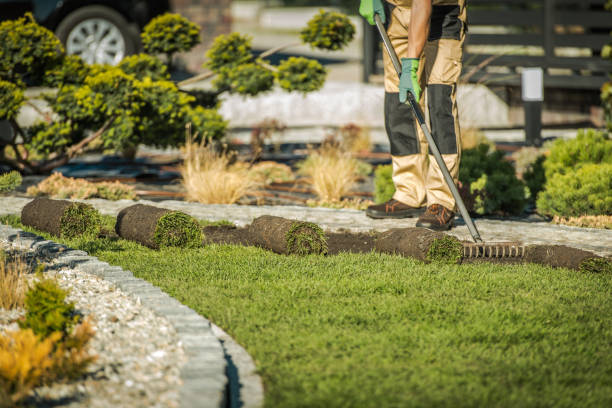
Enhance Your Outdoor Spaces with Expert Landscaping in Milton, MA
Professional landscapers play a vital role in transforming outdoor spaces into functional, aesthetically pleasing environments. By combining expertise, creativity, and technical skills, they bring visions to life and provide homeowners or businesses with outdoor settings that meet their needs and preferences. Here’s how professional landscapers enhance outdoor spaces with innovative solutions.
Custom Design Plans
- Property size: Maximizing functionality while maintaining balance.
- Climate conditions: Selecting plants and materials suited to the local environment.
- Lifestyle needs: Designing spaces for entertaining, gardening, or relaxation.
- Budget constraints: Optimizing resources without compromising quality.
For example, a professional may create a seamless balance between hardscaping (patios, walkways) and softscaping (plants, trees) to ensure the space is both visually appealing and practical.
Incorporation of Sustainable Practices
- Native plant selection: Reducing water usage by choosing species that thrive in the local ecosystem.
- Rainwater harvesting systems: Installing collection systems for irrigation purposes.
- Permeable paving materials: Minimizing water runoff by using materials like porous concrete or gravel.
- Efficient irrigation methods: Implementing drip irrigation or smart sprinklers to conserve water.
These practices not only benefit the environment but also reduce long-term maintenance costs for property owners.
Creative Hardscape Solutions
| Hardscape Element | Creative Solutions |
| Patios & Decks | Unique patterns using pavers or wood composites for durability |
| Walkways | Curved paths bordered with low-maintenance plants |
| Retaining Walls | Multi-functional walls that serve as seating areas |
| Fire Pits | Custom fire features incorporating natural stone |
By integrating these elements thoughtfully, professionals can create versatile spaces ideal for relaxation or entertainment.
Expert Plant Selection and Placement
- Seasonal appeal – Ensuring year-round vibrancy with flowering plants, evergreens, or foliage changes.
- Maintenance requirements – Recommending low-maintenance options for busy homeowners.
- Sunlight exposure – Choosing shade-tolerant or sun-loving plants based on placement within the yard.
Proper placement not only enhances aesthetics but also supports plant health by promoting optimal growth conditions.
Problem-Solving Through Innovation
- Installing drainage systems in areas prone to flooding.
- Designing sloped gardens that prevent soil erosion while adding visual interest.
- Repurposing small spaces into vertical gardens where ground space is limited.
Their ability to think outside the box ensures all aspects of an outdoor area are functional and beautiful.
Professional landscapers continually develop innovative solutions to help clients make the most of their outdoor environments. From designing tailored layouts to implementing sustainable practices, their expertise ensures every detail contributes toward creating an inviting space tailored specifically for its owner’s needs.
The Essential Role of Expert Landscapers in Transforming Your Property
Expert landscapers play a pivotal role in enhancing properties by combining technical expertise, creativity, and practical know-how to deliver visually stunning and functional outdoor spaces. Homeowners and businesses alike can benefit from their experience to create spaces that are not only beautiful but also sustainable and tailored to specific needs.
Expertise in Design and Planning
- Assess the unique characteristics of your property, such as soil quality, topography, climate conditions, and drainage.
- Create cohesive designs that blend natural elements with hardscapes (e.g., patios, walkways, retaining walls).
- Optimize spatial usage while maintaining aesthetic appeal.
| Design Element | Considerations | Benefits |
| Plant Selection | Climate compatibility, maintenance level | Long-term growth and vibrancy |
| Hardscape Layout | Placement of structures for functionality | Improved usability and flow |
| Water Features | Environmental impact, resource efficiency | Adds tranquility without waste |
Efficient Use of Resources
- Choosing eco-friendly materials.
- Implementing water-efficient irrigation systems.
- Recommending low-maintenance plant species suited for your climate zone.
These practices not only reduce costs but also contribute toward sustainable landscaping efforts.
Customized Solutions for Every Property
Every property is unique, which means cookie-cutter designs rarely work. Skilled landscapers tailor their approach based on client goals and site-specific factors. Whether your priority is creating a family-friendly garden or an inviting commercial courtyard for clients, they design solutions aligned with both aesthetics and functionality.
- Residential Properties: Designing child-safe play areas surrounded by lush greenery.
- Commercial Spaces: Incorporating low-maintenance plants that remain visually appealing year-round.
- Urban Settings: Maximizing limited space with vertical gardens or rooftop landscaping.
Project Management Expertise
- Creating realistic timelines for project completion.
- Ensuring compliance with local regulations regarding zoning or plant restrictions.
- Coordinating teams of specialists (e.g., arborists or construction professionals) as needed.
This level of organization helps avoid costly delays or mistakes during the implementation process.
Long-Term Value Addition
- Increased Property Value: Homes with professionally landscaped yards often see higher resale values compared to those without.
- Enhanced Curb Appeal: Thoughtful landscaping creates a welcoming first impression for visitors or potential buyers.
- Environmental Benefits: Strategic planting reduces heat islands around buildings while improving air quality through trees and shrubs.
By partnering with skilled landscapers who understand these dynamics, you can ensure your outdoor spaces are not only breathtaking but also enduring investments in the overall value of your property.
Key Benefits of Partnering with Skilled Landscapers for Your Projects
1. Expertise in Design and Planning
- Proper placement of plants for optimal growth.
- Strategic use of hardscapes (e.g., patios, walkways) for functionality.
- A cohesive design that blends seamlessly with your property’s architecture.
2. Cost-Effective Solutions
While it might seem more cost-effective to handle landscaping projects yourself, hiring experts often results in long-term savings. Landscapers have access to wholesale materials, specialized tools, and tested techniques that reduce errors and waste.
| Aspect | DIY Estimated Cost | Professional Service Cost |
| Tools & Equipment | High (purchase/rental fees) | Included in service cost |
| Plant Replacement (due to poor placement) | Frequent | Minimal |
| Time Investment | Significant | Streamlined process |
3. Enhanced Property Value
A well-maintained landscape significantly increases the aesthetic and financial value of your property. According to industry studies, professional landscaping can boost home resale values by up to 15%. Landscapers focus on creating features that attract potential buyers or simply improve the homeowner’s enjoyment of their outdoor space.
- Installing water features or outdoor lighting for ambiance.
- Crafting low-maintenance designs tailored to future buyers.
- Selecting native plants that thrive in the local climate.
4. Time Efficiency
Landscaping projects often require weeks—or even months—of planning and execution when done independently. Professionals streamline this process by managing timelines efficiently while ensuring high-quality results.
- Coordinating material deliveries.
- Scheduling plant installation during peak growing seasons.
- Ensuring proper irrigation systems are installed promptly.
5. Access to Creative Solutions
Skilled landscapers excel at thinking outside the box to deliver unique designs tailored to your needs. Whether you want a modern aesthetic or a rustic retreat, their creativity ensures an innovative approach that elevates your space beyond standard designs.
- Vertical gardens for small spaces.
- Sustainable xeriscaping techniques for arid climates.
- Multi-purpose outdoor areas combining seating, dining, and play spaces.
Partnering with expert landscapers allows homeowners and businesses alike to achieve stunning results while saving time and resources. From design expertise to eco-friendly solutions, skilled professionals work collaboratively with clients to bring their vision into reality while maximizing benefits across all aspects of landscaping projects.
- Essential Lawn Care Tips for Perfecting Your Milton, MA Landscape
- The Best Time to Start Your Landscaping Milton, MA Project for Maximum Results
- Seasonal Lawn Care Tips and Calendar for Milton, MA Landscape
- Creating Stunning Milton, MA Landscapes with a Thoughtful Landscaping Timeline
- Enhancing the Ecosystem with Native Landscaping in Milton, MA
- Essential Tips for Beginners to Achieve the Perfect Lawn in Milton, MA Landscape